


Chainmail Tunics vs Partial Protection Gear
Chainmail Tunics vs Partial Protection Gear: How to Choose the Right Option for Your Needs
When it comes to protective gear, particularly chainmail, many buyers find themselves confused about the right choice. Chainmail tunics, commonly seen in historical reenactments or cosplay, offer full-body protection but are bulky and often not the best option for modern-day industrial or safety uses. On the other hand, partial protection gear, like chainmail gloves, sleeves, or aprons, offers targeted protection but may leave other areas exposed.
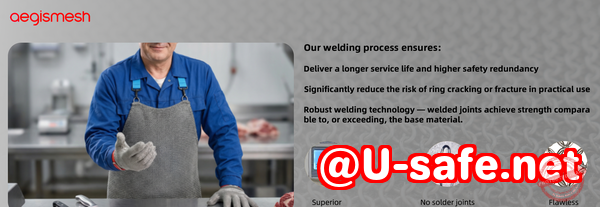
So, how do you decide between the two? How do you ensure that whichever chainmail product you choose is of the highest quality? Whether you’re purchasing chainmail for industrial cut protection, food processing, cosplay, or historical reenactments, it’s essential to know how to evaluate the quality of chainmail to avoid unsafe or low-quality purchases. That’s where Aegimesh Chainmail’s inspection guide comes in.
In this article, I’ll walk you through everything you need to know about chainmail tunics and partial protection gear, how to assess their quality, and what you should consider before making your purchase.
The Problem: Low-Quality Chainmail Products
As someone who’s worked with chainmail for various purposes, I understand the frustration of purchasing a product that looks good online but falls short in terms of quality and durability. For example, a friend of mine recently bought a “high-quality” chainmail tunic for cosplay, only to find that the rings weren’t welded properly, and the weave was loose, which affected its durability.
Similarly, I’ve seen industrial users struggle with buying partial chainmail protection gear, only to realize that the rings weren’t welded, and the stainless steel was subparleaving them exposed to cuts and other safety risks.
The market is full of low-quality chainmail products that may look good at first glance but lack the strength or durability needed for their intended use. So, how can you avoid these pitfalls?
Evaluating the Quality of Chainmail
Whether you’re looking for chainmail tunics or partial protection gear, there are a few key factors to consider to ensure you’re getting a high-quality product. Here’s a breakdown of the most important things to look for when inspecting chainmail:
1. Welded vs Open Rings
The first thing you need to check is whether the rings are welded or open. Welded rings are far superior because they ensure that the links stay intact, offering better durability and protection. Open rings, while they may seem sturdy, can easily come apart over time, especially under stress.
-
Tip: If you’re unsure, give the ring a gentle pull. Welded rings should not separate under normal pressure, whereas open rings will easily pull apart.
2. Stainless Steel Grade
The material of the chainmail is crucial, especially when it comes to industrial applications. You’ll want to choose high-quality stainless steel, like 304 or 316, for its resistance to corrosion and strength.
-
304 Stainless Steel: This is the most common grade used in chainmail and offers decent resistance to corrosion, though it may not hold up as well in harsh environments like high-salt areas.
-
316 Stainless Steel: If you’re looking for something that will withstand exposure to salt, chlorine, or acidic conditions (like in food processing or industrial work), 316 stainless steel is a better choice.
-
Tip: When in doubt, always choose 316 stainless steel for maximum durability, especially for industrial uses.
3. Wire Thickness and Ring Diameter
A thicker wire with a proper inner diameter will ensure the chainmail is strong and durable. For example, if the wire is too thin or the rings are too large, the chainmail won’t hold up to stress and may tear or break under pressure.
-
Tip: Inspect the wire thickness closely. Thicker wires generally result in stronger chainmail, so choose products with wires that have at least a 1mm thickness for added durability.
4. Weave Patterns (European 4-in-1)
One of the most common weave patterns used in high-quality chainmail is the European 4-in-1 weave. This pattern is renowned for its strength, providing a good balance of flexibility and durability. If the weave is inconsistent or loose, it’s a sign that the chainmail was poorly constructed.
-
Tip: Gently tug on the individual rings. The weave should feel solid and secure. Any loose or inconsistent areas should raise a red flag.
5. Corrosion Resistance
In environments like food processing or industrial settings, corrosion resistance is a critical factor. Even a small amount of rust can compromise the chainmail’s integrity. Always check for signs of rust or discoloration before making your purchase.
-
Tip: If you see any signs of rust, corrosion, or staining on the chainmail, avoid purchasing it. This is a clear indication that the material is substandard.
The Benefits of Proper Chainmail Inspection
Now that we’ve covered how to inspect chainmail quality, let’s talk about the benefits of doing so:
-
Safety: When purchasing chainmail for industrial use or food handling, safety is paramount. Poorly constructed chainmail can leave you exposed to dangerous cuts or injuries.
-
Durability: High-quality chainmail will last longer, saving you money in the long run. Low-quality products often wear out quickly, requiring replacements sooner than expected.
-
Cost-Effectiveness: By following these inspection tips, you can avoid wasting money on low-quality chainmail that doesn’t meet your needs.
By being diligent and following these steps, you’ll ensure that you get a product that not only looks good but also performs well in real-world conditions.
Real-Life Example: My Experience with Chainmail Tunics and Partial Gear
I remember the first time I bought a chainmail tunic for a historical reenactment. It looked fantastic in the pictures, but when it arrived, I immediately noticed that the rings were open and not welded. I tried to wear it, but the weave felt weak, and I could tell it wouldn’t last long. After a few hours of wearing it, some of the rings started coming apart.
On the other hand, I also purchased chainmail gloves for industrial cut protection. These gloves were made from high-quality 316 stainless steel and had a solid European 4-in-1 weave. I used them in a food-processing environment, and not only did they provide excellent protection, but they also lasted for years without showing signs of wear or corrosion.
This experience taught me that inspecting the quality of the chainmail is essential, whether for industrial, cosplay, or historical purposes.
Conclusion: Make Informed Chainmail Purchases
To wrap it up, whether you’re buying a chainmail tunic for cosplay, protective gear for industrial use, or chainmail for food handling, it’s crucial to inspect the product before making a purchase. By checking the material, welds, wire thickness, ring diameter, and weave patterns, you can avoid poor-quality products and ensure that your chainmail meets safety and durability standards.
I highly recommend following these steps to ensure any chainmail purchase meets safety and durability standards. Don’t hesitate to invest a little time in inspecting your chainmailit will pay off in the long run.
If you’re looking for more information on identifying high-quality chainmail products, check out Aegimesh’s detailed chainmail inspection guide today.
FAQs
1. How can I tell if a chainmail ring is welded or open?
You can do a simple pull test. Welded rings will stay intact when pulled, while open rings will come apart.
2. Which stainless steel grade is best for long-lasting chainmail?
316 stainless steel is the best option for long-lasting chainmail, especially in harsh conditions like food processing or industrial work.
3. How do I inspect the weave pattern for strength?
Check the weave for consistency. A European 4-in-1 pattern should feel solid and not have any loose rings.
4. What are the signs of low-quality or unsafe chainmail?
Signs include rust, loose rings, inconsistent weaves, or open rings. These all indicate that the chainmail is not up to standard.
5. Can decorative chainmail be used for protective purposes?
Decorative chainmail often uses lighter materials and weaker weaves, so it’s not recommended for protective purposes. Always check for strength and material quality.
6. How do I choose the right chainmail for industrial vs cosplay use?
For industrial use, focus on strength, corrosion resistance, and proper weave patterns (like European 4-in-1). For cosplay, aesthetic and comfort may be more important, but durability should still be considered.
Tags/Keywords:
chainmail quality, welded rings, stainless steel chainmail, cut-resistant chainmail, chainmail inspection, European 4-in-1 weave, chainmail durability





 한국어
한국어  Русский
  Deutsch