


Ring Mesh vs Mesh Boning Apron Whats Best for Your Needs
Ring Mesh vs Mesh Boning Apron: What’s Best for Your Needs?
When you think about chainmail, what comes to mind? For most people, it’s the medieval knights draped in shiny armor, but today, chainmail isn’t just a relic of the past. It’s used for many practical, modern applicationsfrom protecting hands in industrial environments to enhancing cosplay outfits. Whether you need a durable, cut-resistant apron for food processing or a decorative piece for your costume, it’s vital to know what to look for when evaluating chainmail quality.
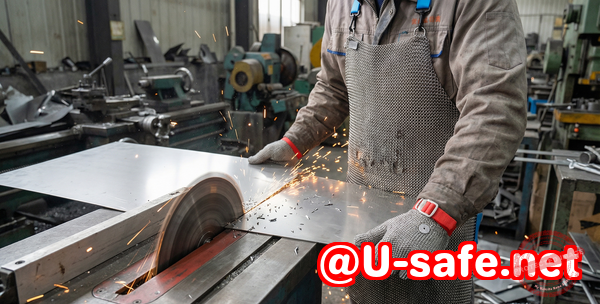
So, how do you ensure you’re getting the best? With so many options on the market, distinguishing between high-quality chainmail and poorly made imitations can be tricky. If you’ve found yourself wondering how to tell the difference, you’re not alone. I’ve been there too.
In this guide, we’ll break down what you should know to evaluate the quality of chainmail, focusing on two common types: ring mesh and mesh boning aprons. Whether you’re a collector, an industrial buyer, or a cosplayer, this information will help you make an informed decision. Let’s dive in!
Common Pain Points When Evaluating Chainmail Quality
Before we dive into the specifics, let’s talk about the challenges many buyers face when choosing chainmail. These are the pain points that can make the purchasing process feel overwhelming:
-
Welded Rings vs Open Rings
One of the first challenges when looking at chainmail is distinguishing between welded rings and open rings. Open rings are cheaper and more fragile, while welded rings offer superior durability. This is especially important for industrial or protective uses, where safety is a concern.
-
Stainless Steel Grades
Not all stainless steel is created equal. The two main grades used for chainmail are 304 and 316. While both are corrosion-resistant, 316 is generally stronger and more resistant to saltwater, making it ideal for industrial use or food handling. It’s crucial to know which grade you’re buying, especially if you’re using the chainmail in harsh environments.
-
Inconsistent Weave Patterns
The weave pattern significantly affects the strength of the chainmail. A common pattern, the European 4-in-1 weave, is well-known for its durability. However, some chainmail products use poor weaving techniques or inconsistent ring sizes, compromising overall strength and safety. For example, a weak weave might break under stress, leading to dangerous situations.
How to Inspect and Verify Chainmail Quality
The key to avoiding low-quality chainmail is knowing what to look for. Let’s go over how you can inspect the product before you buy it:
1. Material Type: 304 vs 316 Stainless Steel
The most common stainless steel grades used in chainmail are 304 and 316. Here’s what you need to know:
-
304 Stainless Steel: This is the most commonly used stainless steel grade for chainmail. It’s durable and resistant to corrosion but not as strong as 316.
-
316 Stainless Steel: A higher grade with superior resistance to corrosion, especially in salty or acidic environments. If you’re using chainmail for food processing or industrial environments, 316 is the better choice due to its higher corrosion resistance.
Tip: You can usually tell which grade of steel you’re dealing with by asking the seller or checking product specs. If you’re buying chainmail for heavy-duty industrial use or food processing, always opt for 316 stainless steel.
2. Check Ring Welding
Another crucial factor to check is whether the rings are welded or simply twisted together. Welded rings are far more secure and durable than open rings. You can perform a simple test by gently pulling a ring apart (without damaging the product). If the rings are welded, they should remain intact. If they’re open, you’ll be able to pull them apart.
Tip: Avoid chainmail with open rings for industrial or protective purposes. Welded rings are your best bet for ensuring durability.
3. Inspect Wire Thickness and Ring Diameters
The thickness of the wire and the inner diameter of each ring affect the strength of the chainmail. Thicker wire is more resistant to cutting, and a smaller inner diameter will help keep the weave tight and secure. If the wire is too thin or the rings too large, the chainmail could easily fail under stress.
Tip: Look for chainmail with a wire thickness that matches the intended use. Industrial and food-grade applications should have thicker wire and smaller ring diameters.
4. Weave Patterns: European 4-in-1 and Beyond
The weave pattern is a critical element in determining chainmail’s durability. The European 4-in-1 weave is a classic and reliable choice because it provides a strong, flexible structure. However, not all weaves are created equalsome manufacturers might try to cut corners with weaker patterns.
Tip: Check the weave carefully for consistency. If the pattern looks sloppy or uneven, it could compromise the integrity of the chainmail.
Why Proper Inspection Matters
So, why should you care about these details? Well, proper inspection isn’t just about ensuring the chainmail looks goodit’s about safety, durability, and value for your money. Let’s break down why it’s so important:
-
Avoiding Unsafe Products: Low-quality chainmail with weak rings or poor weaves can lead to unsafe situations, especially in industrial environments where cut protection is crucial.
-
Ensuring Durability: A high-quality chainmail product will last longer and perform better, saving you money in the long run by not needing to be replaced as often.
-
Making Informed Purchases: Knowing what to look for ensures you’re not buying decorative chainmail when you need something practical, or vice versa. You’ll understand whether you’re investing in a product that meets your specific needs.
Simple Tips for Inspecting Chainmail
Here are a few simple methods to inspect chainmail when you’re considering a purchase:
-
Pull Test: Gently tug on the rings to see if they’re welded or open. Welded rings should not budge under pressure.
-
Corrosion Check: If the chainmail has visible rust or discoloration, it’s likely made from lower-quality steel. Always check for signs of corrosion.
-
Examine the Weave: Look for consistent ring placement and tightness of the weave. A loose or uneven weave means the chainmail may not provide the protection you expect.
Conclusion: Choosing the Right Chainmail for Your Needs
When it comes to choosing the right chainmail, I highly recommend following these inspection steps to ensure you’re getting a high-quality product that meets safety and durability standards. Whether you’re buying for industrial protection, cosplay, or historical replicas, understanding the difference between welded and open rings, the importance of material grades, and how to check for consistent weaves can make all the difference.
Ready to make sure your next chainmail purchase is top-notch? Learn more about identifying high-quality chainmail products at Aegimesh. Check out our detailed chainmail inspection guide today!
FAQ
-
How can I tell if a chainmail ring is welded or open?
Simply pull on the ring. Welded rings will not separate, while open rings will easily break apart.
-
Which stainless steel grade is best for long-lasting chainmail?
316 stainless steel is the best choice for durability and corrosion resistance, especially for food processing or industrial use.
-
How do I inspect the weave pattern for strength?
Look for a consistent European 4-in-1 weave, ensuring the rings are tightly interlocked and the weave is uniform.
-
What are the signs of low-quality or unsafe chainmail?
Signs include visible rust, weak rings, inconsistent weaves, and thin wire. Always check the product thoroughly before purchasing.
-
Can decorative chainmail be used for protective purposes?
While decorative chainmail can be used for cosplay or display, it’s generally not as strong or durable as chainmail made for industrial or protective use.
-
How do I choose the right chainmail for industrial vs cosplay use?
For industrial use, always choose welded rings, thicker wire, and 316 stainless steel. For cosplay, you can opt for decorative pieces with open rings or lighter materials.
Tags or Keywords:
-
chainmail quality, welded rings, stainless steel chainmail, cut-resistant chainmail, chainmail inspection, European 4-in-1 weave





 한국어
한국어  Русский
  Deutsch