


Cut-Resistant Chainmail A Must-Have for Safety in the Workplace
Cut-Resistant Chainmail: A Must-Have for Safety in the Workplace
When you work in a job that requires handling sharp tools, heavy machinery, or potentially dangerous materials, safety is always top of mind. I remember the first time I had to evaluate chainmail for use in an industrial setting. I wasn’t sure what to look for, and the thought of spending money on low-quality, unsafe products was a constant concern. If you’ve ever been in this situation, I’m sure you can relate to the challenge of finding high-quality chainmail that offers the right mix of protection and durability.
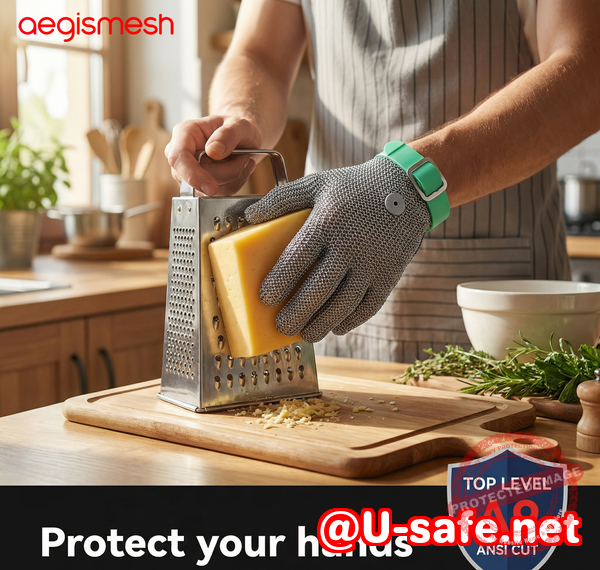
In this blog, I’ll share some tips and tricks I’ve learned for evaluating chainmail quality to help you avoid wasting money on subpar products. Whether you’re a buyer, collector, or industrial user, ensuring that your chainmail is cut-resistant and built to last is essential. Let’s dive into how to inspect chainmail, understand the materials used, and make better purchasing decisions.
Common Pain Points When Evaluating Chainmail
Evaluating chainmail can feel like a daunting task. If you don’t know what you’re looking for, it’s easy to make mistakes. Here are a few pain points that many buyers and users face when shopping for chainmail:
-
Distinguishing between welded and open rings: It can be hard to tell whether the rings are properly welded or just loosely connected. Open rings might look similar to welded rings, but they lack the same structural integrity.
-
Understanding stainless steel grades: Not all stainless steel is created equal. The quality of the chainmail can vary based on the grade of stainless steel used, and it’s not always clear which grade will best suit your needs.
-
Inconsistent weave patterns: A weak weave compromises the protection that the chainmail offers. Sometimes, products that look like high-quality chainmail aren’t as durable as they seem.
These issues can lead to poor choices that might not only cost you more money but also fail to provide the protection you need. So, how do you avoid these mistakes?
The Solution: How to Inspect Chainmail for Quality
When evaluating chainmail, there are several key aspects you need to check. Here’s a step-by-step guide to ensure you’re choosing the right product, whether for industrial use, cosplay, or historical replicas.
1. Material Type: Stainless Steel Grades Matter
The first thing to consider is the material. Aegimesh Chainmail, for example, uses high-quality 304 and 316 stainless steel. But what’s the difference, and why does it matter?
-
304 Stainless Steel is commonly used in general-purpose chainmail, such as for decorative or lightweight applications. It’s corrosion-resistant and durable but can wear out more quickly under heavy use.
-
316 Stainless Steel is more resistant to corrosion, especially in harsh environments like food processing or industrial settings. If you’re using chainmail in an environment where exposure to chemicals or moisture is common, 316 stainless steel is the better option.
Tip: Always check the grade of stainless steel used in the chainmail you’re considering. If the seller doesn’t mention it, that’s a red flag.
2. Welded Rings vs. Open Rings
One of the most important things to look for is the construction of the rings. Chainmail can either be made with welded rings or open rings.
-
Welded Rings are connected by melting the ends of the wire together, forming a tight bond that ensures the rings stay in place. This is crucial for structural integrity and strength.
-
Open Rings are just bent and hooked together. They might look fine initially, but over time, they can separate, weakening the chainmail.
Tip: A simple way to test if the rings are welded is by gently tugging on the chainmail. If any rings come apart or feel loose, you’ve got yourself open rings.
3. Ring Thickness and Inner Diameter
The thickness of the wire used in the rings and the diameter of each ring are critical factors in determining how durable the chainmail will be. Thicker wires and smaller ring diameters generally provide better protection.
-
Thicker Wire: Offers better resistance to cuts and abrasions. This is especially important in industrial settings or food processing environments.
-
Ring Diameter: A smaller inner diameter means a denser weave, which can improve the cut resistance of the chainmail.
Tip: Check for consistent wire thickness and ring diameter across the entire piece of chainmail. Inconsistent thickness or spacing can weaken the overall protection.
4. Weave Patterns: European 4-in-1 Weave
The weave pattern plays a vital role in the strength and flexibility of the chainmail. The European 4-in-1 weave is one of the most common and strongest weave patterns for chainmail.
-
The pattern consists of four rings passing through a single ring, making it compact and strong. This is ideal for industrial or protective chainmail.
-
Other Weaves like 6-in-1 or 8-in-1 might be stronger but less flexible, which can be a concern if comfort and mobility are important.
Tip: If you’re buying chainmail for protection, always check the weave pattern. A strong European 4-in-1 weave will offer better cut resistance.
Why Proper Chainmail Inspection is Crucial
Inspecting chainmail might seem like a lot of work, but it’s well worth the effort. Here’s why:
-
Avoid Unsafe Chainmail: Low-quality chainmail might look fine initially but can break down under stress, exposing you to injury or risk.
-
Save Money: If you don’t know what to look for, you might end up purchasing products that aren’t as durable as they seem. Identifying low-quality chainmail early on can save you money in the long run.
-
Ensure Durability: Quality chainmail ensures long-lasting protection. Whether it’s for food processing, cosplay, or historical reenactments, durability matters.
Practical Tips for Evaluating Chainmail
Let’s break it down further with some quick, easy-to-follow tips:
-
Pull Test: Test the strength of the chainmail by gently pulling on the rings. If any rings come loose or if the weave feels weak, that’s a sign of poor quality.
-
Corrosion Check: Stainless steel chainmail should resist corrosion. Check for any rust or signs of pitting, especially around the welded areas. If you notice corrosion, the chainmail is not of high enough quality for industrial or long-term use.
-
Check the Fit: For protective use, ensure the chainmail fits snugly without too much looseness. Gaps can compromise its effectiveness.
Conclusion: The Value of Quality Chainmail
Chainmail can be an excellent protective material if you know what to look for. I highly recommend following the steps I’ve outlined to ensure any chainmail you purchase meets safety and durability standards. Whether you’re buying it for industrial purposes, cosplay, or historical purposes, a little inspection can go a long way in saving you time, money, and potential injury.
If you’re still unsure about the quality of chainmail or how to inspect it properly, learn more about identifying high-quality chainmail products here. Check out our detailed chainmail inspection guide today, and get the protection you deserve!
FAQ
1. How can I tell if a chainmail ring is welded or open?
-
Simply pull on the ring. If it feels loose or separates easily, it’s an open ring. Welded rings are solidly connected and won’t come apart.
2. Which stainless steel grade is best for long-lasting chainmail?
-
316 stainless steel is best for harsh environments due to its superior corrosion resistance. For general-purpose use, 304 stainless steel is a good option.
3. How do I inspect the weave pattern for strength?
-
Look for a European 4-in-1 weave, which is compact and strong. The more rings passing through each other, the stronger the weave will be.
4. What are the signs of low-quality or unsafe chainmail?
-
Look for inconsistent welding, weak ring connections, poor material choice, or signs of corrosion. These all indicate low-quality chainmail.
5. Can decorative chainmail be used for protective purposes?
-
Generally, decorative chainmail is not built to provide strong protection. For safety, make sure it’s made with welded rings and suitable stainless steel.
6. How do I choose the right chainmail for industrial vs. cosplay use?
-
For industrial use, choose chainmail made from 316 stainless steel with welded rings and a tight, compact weave. For cosplay, 304 stainless steel with decorative weaves may be fine for display but won’t provide significant protection.
Tags or Keywords
-
Chainmail quality, welded rings, stainless steel chainmail, cut-resistant chainmail, chainmail inspection, European 4-in-1 weave





 한국어
한국어  Русский
  Deutsch