


Is Chainmail More Flexible Than Ring Mesh Armor
Is Chainmail More Flexible Than Ring Mesh Armor?
When I first started exploring the world of chainmail, I had one major concern: how can I be sure I’m getting high-quality armor? Whether you’re buying chainmail for cosplay, collecting historical replicas, or even using it for industrial or food-processing work, understanding what makes one piece of chainmail better than another is essential. And if you’re here, chances are you’ve been wondering about this, too. After all, chainmail is often expensive, and nobody wants to waste money on something that might not live up to its promisesespecially when it comes to something as important as safety or durability.
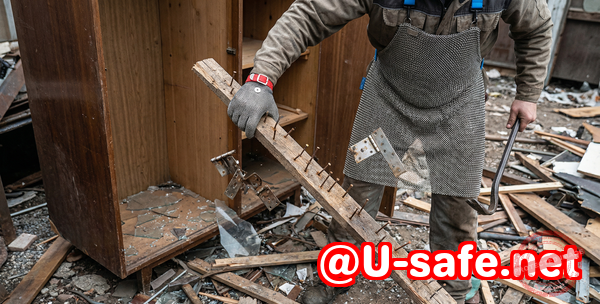
So, let’s dive into some common struggles people face when selecting chainmail and arm you with the knowledge to make smarter, more informed decisions.
The Struggle to Identify High-Quality Chainmail
As I began my own search for quality chainmail, one question kept popping up: How can I tell if I’m getting a product that’s durable and safe? After all, not all chainmail is created equal, and there are plenty of low-quality, decorative options on the market that may look good but don’t actually perform as expected.
For instance, have you ever tried to tell the difference between welded rings and open rings? Or wondered whether the stainless steel used is the best option for strength and corrosion resistance? Many of us assume that all chainmail is created the same, but it’s far from true. Below, I’ll walk you through how to identify high-quality chainmail and avoid some of these frustrating mistakes.
Common Chainmail Evaluation Pain Points (and How to Fix Them)
When it comes to evaluating chainmail, there are several key things you’ll want to look for. If you’re just getting started, here are a few challenges you might encounter, along with practical solutions:
1. Welded Rings vs. Open Rings: Which Is Better?
One of the most common mistakes I see is confusing welded rings with open rings. Welded rings are a much stronger option because they are fused together at the joint, making them less likely to separate over time. Open rings, on the other hand, may look similar but can come apart with prolonged use or stress.
Solution: To check if the rings are welded, gently pull on the chainmail. If the rings separate or feel weak, it’s likely made with open rings. A strong chainmail piece made with welded rings should hold together firmly, even with a bit of force.
2. Choosing the Right Stainless Steel: 304 vs. 316
Another common issue comes down to choosing the right material. Stainless steel is widely used in chainmail for its resistance to rust and corrosion, but not all stainless steel is created equally. While 304 stainless steel is durable for many purposes, 316 stainless steel is more resistant to corrosion, especially in saltwater or food-processing environments.
Solution: Look for chainmail that specifies the stainless steel grade used. If you’re buying for something like food handling or outdoor use where exposure to moisture is a concern, opt for 316 stainless steel. For lighter uses, 304 might suffice.
3. Weak Weave Patterns: What You Need to Know
The weave pattern of chainmail isn’t just for decorationit affects the strength and durability of the armor. A pattern like European 4-in-1 is one of the strongest options because it creates a tight, durable weave that distributes impact and force more evenly.
Solution: When inspecting chainmail, look at how the rings are woven together. A tight, regular pattern is ideal. Any irregularities or gaps could mean the chainmail is weak and prone to damage.
Aegimesh Chainmail: Your Ultimate Inspection Guide
At Aegimesh, we’ve created a guide and inspection tool to help you identify quality chainmail, no matter the intended use. Whether you need it for cut protection, cosplay, or industrial work, we’ve got you covered with tips on what to look for when evaluating your chainmail purchase.
Key Steps for Inspection:
-
Material Check: Is it made from 304 or 316 stainless steel? Look for clear labeling of material grade. 316 is ideal for harsh environments.
-
Ring Welding: Feel the ringsdo they feel sturdy? A well-welded ring should not budge, even with light pulling.
-
Wire Thickness & Inner Diameter: Measure the wire thickness (usually specified in millimeters) and the inner diameter of the rings. Thicker wire and smaller diameters generally mean stronger armor.
-
Weave Patterns: European 4-in-1, as mentioned earlier, is a sign of strong and reliable chainmail. Check if the weave is tight and consistent.
By following these steps, you can ensure that you’re investing in chainmail that’s not just aesthetically pleasing but also safe and durable for its intended purpose.
Why Proper Chainmail Inspection is So Important
When it comes to chainmail, there’s more at stake than just looks. In industrial settings, poor-quality chainmail can lead to unsafe conditions, such as increased risk of cuts or contamination. For cosplay or decorative use, poor craftsmanship can result in a weak piece of armor that won’t last through a single convention.
Here are just a few reasons why taking the time to inspect your chainmail is so essential:
-
Safety Concerns: Low-quality chainmail may fail to provide the cut protection required in industrial settings or while handling sharp tools or food.
-
Cost Savings: Avoid wasting money on products that may not last or live up to your expectations. Cheap chainmail is often a poor investment.
-
Durability: Properly made chainmail will last longer and withstand the wear and tear of both daily use and more intense applications.
How to Perform a Simple Pull Test
A quick and easy way to check the quality of your chainmail is by performing a simple pull test. Gently pull on the rings. If the rings separate or feel too loose, the chainmail may not be welded properly or the material may be too weak. Well-made chainmail should feel sturdy and hold up under a bit of force.
How to Spot Signs of Corrosion
If you’re buying chainmail for outdoor use or food processing, you need to be aware of potential corrosion. If you notice any rust spots or discoloration, it’s a clear sign that the chainmail is either not stainless steel or the quality of the steel is subpar. Avoid purchasing items that show signs of oxidation, as this will only worsen over time.
Choosing the Right Chainmail for the Job
Different types of chainmail are suited for different purposes. If you need chainmail for industrial use, it needs to be made of durable stainless steel with a tight, strong weave. For cosplay or historical replicas, you may want something that looks authentic, but still holds up well under light wear and tear.
Conclusion: Be Smart, Be Safe, and Invest in Quality
In my experience, investing in quality chainmail isn’t just about looking coolit’s about safety, durability, and making a smart choice for your needs. Whether you’re using it for work or play, following the inspection tips above will help you avoid low-quality purchases that might end up costing you more in the long run.
I highly recommend following these steps to ensure any chainmail purchase meets safety and durability standards. Don’t take shortcuts when it comes to protectionchoose quality every time.
For more information on identifying high-quality chainmail products, check out our detailed guide today: Learn More About Chainmail Inspection.
Frequently Asked Questions (FAQ)
1. How can I tell if a chainmail ring is welded or open?
A welded ring will feel solid and unmovable when you pull on it, while an open ring will separate or feel weak. Always perform a gentle pull test to check.
2. Which stainless steel grade is best for long-lasting chainmail?
316 stainless steel is more corrosion-resistant than 304 stainless steel, making it ideal for harsh environments like food processing or outdoor use.
3. How do I inspect the weave pattern for strength?
Look for a tight, consistent weave with rings that fit snugly together. Patterns like European 4-in-1 are a sign of strong, reliable chainmail.
4. What are the signs of low-quality or unsafe chainmail?
Signs include weak or inconsistent welds, poor material quality (rust or discoloration), and loose or irregular ring weaves.
5. Can decorative chainmail be used for protective purposes?
Decorative chainmail may not offer the same durability and protection as functional chainmail. Always check the material and weave quality before using it for safety.
6. How do I choose the right chainmail for industrial vs. cosplay use?
For industrial use, choose chainmail made from high-quality stainless steel, like 316, with a strong, tight weave. For cosplay, focus on authenticity and comfort, though durability still matters.
Tags/Keywords:
-
chainmail quality
-
welded rings
-
stainless steel chainmail
-
cut-resistant chainmail
-
chainmail inspection
-
European 4-in-1 weave





 한국어
한국어  Русский
  Deutsch