


Chainmail and Ring Mesh A Beginners Guide to the Differences
Chainmail and Ring Mesh: A Beginner’s Guide to the Differences
When it comes to buying chainmailwhether for cosplay, industrial use, or historical replicasit’s easy to feel overwhelmed. If you’ve ever looked at a collection of chainmail products, you might have noticed something peculiar: all of them look similar, but some are clearly of better quality than others. This can be particularly frustrating when you’re trying to make an informed purchase. How can you tell if the chainmail you’re looking at is really worth the price, or if it’s just a low-quality imitation?
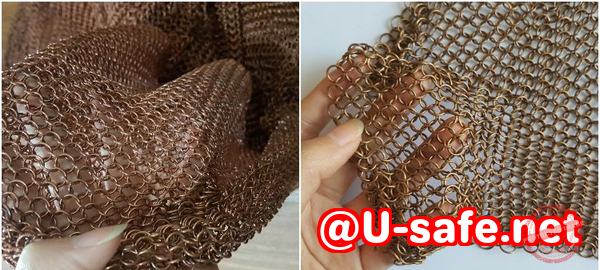
In this guide, I’ll walk you through how to evaluate chainmail to ensure you’re getting a product that meets your needs, whether you’re looking for durable industrial protection or simply want to look the part in a cosplay. Understanding the differences between high-quality and low-quality chainmail can save you time, money, and, in some cases, keep you safe.
Understanding the Basics: Chainmail vs. Ring Mesh
Before diving into quality inspection, it’s important to distinguish between “chainmail” and “ring mesh.” Though they sound similar, these two terms refer to different types of products.
Chainmail is the traditional, interwoven armor made from metal rings. It was originally developed for protection in battle but has since been adapted for other uses, like cosplay or historical reenactments. The key feature of chainmail is that the rings are woven together in a specific patternoften a “European 4-in-1” weavewhich allows for flexibility and strength.
Ring mesh, on the other hand, is often a more generic term used to describe any product made from interlocking rings. This could include things like fencing mesh or industrial safety equipment. While some ring mesh might have similar qualities to chainmail, it is typically used in more practical, non-decorative applications.
When shopping for chainmail, knowing whether you’re dealing with genuine chainmail or just a decorative imitation can be the difference between spending money on a product that’s not safe or durable, versus investing in something that will protect you or look great for years to come.
The Pain Points: Why It’s Hard to Choose Good Chainmail
When I started learning about chainmail, I quickly realized that there are a few common pain points buyers face:
-
Distinguishing Welded Rings from Open Rings: One of the first challenges is telling whether the rings in the chainmail are welded or simply closed. Welded rings are typically much stronger and more durable than open rings, making them the better choice for industrial or protective use. Open rings, while fine for display or cosplay, can break more easily and don’t offer the same level of safety.
-
Understanding Stainless Steel Grades: Not all stainless steel is created equal. 304 stainless steel is common in the industry, but it is prone to corrosion when exposed to harsh environments like saltwater or food processing areas. 316 stainless steel, however, is more resistant to corrosion, making it a better choice for industrial or food-handling applications. For casual use, 304 might be sufficient, but for safety-critical applications, 316 is your go-to.
-
Weak Weaves: A poorly woven chainmail can be an absolute nightmare. Not only does it compromise strength, but it could also break down over time with regular use. Identifying a high-quality weave patternsuch as the European 4-in-1 weavecan help ensure your chainmail is durable enough to stand the test of time.
How to Inspect and Evaluate Chainmail Quality
Now, let’s break down how you can evaluate chainmail quality like a pro. These inspection steps will help you determine whether you’re looking at a well-made product or a low-quality imitation.
1. Material Type
The first step in evaluating chainmail is checking the material. The vast majority of high-quality chainmail is made from stainless steel, but not all stainless steel is the same.
-
304 Stainless Steel: This is the most common grade of stainless steel used in chainmail. It’s affordable and durable enough for general purposes, including cosplay, historical replicas, and light industrial use. However, 304 steel is prone to corrosion over time, especially if exposed to saltwater or food substances.
-
316 Stainless Steel: If you’re looking for chainmail that’s going to stand up to harsher environments (like food processing or industrial cut protection), 316 stainless steel is your best option. It’s more resistant to corrosion, which makes it ideal for environments where rust or degradation could be a serious issue.
2. Ring Welding
The next step in your inspection process is looking at the rings themselves. As I mentioned earlier, welded rings are superior in strength to open rings, and here’s how you can tell the difference:
-
Welded Rings: If you look closely at the rings, you should be able to see a small weld seam where the ends of the ring are fused together. A high-quality welded ring will have a smooth, even seam, and you won’t be able to pry it apart with your fingers.
-
Open Rings: These rings are simply looped together, and you’ll often see the gap where the ends of the ring meet. Open rings are more fragile, and over time, they can weaken, making them less durable and less safe for industrial use.
3. Wire Thickness and Inner Diameter
The thickness of the wire and the inner diameter of the rings also play a crucial role in the strength and durability of the chainmail.
-
Wire Thickness: The thicker the wire, the stronger the chainmail will be. For industrial purposes, you want a chainmail with a thicker wire to withstand cuts and abrasions. For decorative uses like cosplay, a thinner wire might be acceptable, but it won’t provide much protection.
-
Inner Diameter: The inner diameter of the rings should be consistent across the whole chainmail piece. An inconsistent inner diameter can lead to weak spots, which may result in breakage or failure under stress.
4. Weave Pattern
The weave pattern is another essential element to check. A good weave ensures that the chainmail is strong, flexible, and will hold up over time.
-
European 4-in-1 Weave: This is the most common and traditional weave pattern for chainmail. In this pattern, each ring is connected to four other rings, creating a strong and flexible structure. If the weave looks uneven or inconsistent, the chainmail may not be as durable or effective as it should be.
5. Perform a Pull Test
This simple test will help you determine the strength of the chainmail. Gently pull on a few sections of the chainmail to check for any loose or weak rings. If you feel resistance and the rings stay in place, it’s a good sign that the chainmail is strong and well-made. If the rings come apart or the material feels flimsy, it may be an indicator that the chainmail is low quality.
6. Signs of Corrosion or Poor Craftsmanship
Look for signs of corrosion, rust, or other imperfections. Even small rust spots or discoloration can indicate that the chainmail is not made from high-quality stainless steel or that it hasn’t been treated properly. Similarly, rough or jagged edges on the rings can be a sign of poor craftsmanship.
Conclusion: Choosing the Right Chainmail for You
After following these inspection steps, you’ll be better equipped to choose chainmail that’s high-quality, durable, and safe for your intended use. Whether you’re buying for industrial protection, cosplay, or a historical project, understanding how to spot quality chainmail will save you money and help ensure your purchase lasts for years.
I highly recommend following these steps to ensure any chainmail purchase meets safety and durability standards. Don’t hesitate to dive deeper into the materials and craftsmanship. Learn more about identifying high-quality chainmail products: Aegimesh Chainmail.
FAQs
1. How can I tell if a chainmail ring is welded or open?
Look for a visible seam where the ends of the ring meet. Welded rings will have a smooth, evenly fused seam, while open rings will have a visible gap.
2. Which stainless steel grade is best for long-lasting chainmail?
For industrial and high-durability uses, 316 stainless steel is the best choice due to its resistance to corrosion. For casual uses, 304 stainless steel is sufficient.
3. How do I inspect the weave pattern for strength?
Look for an even and consistent weave pattern, such as the European 4-in-1. Uneven weaves or gaps can reduce the chainmail’s overall strength.
4. What are the signs of low-quality or unsafe chainmail?
Low-quality chainmail often has uneven rings, inconsistent welding, and weak or inconsistent weaves. It may also show signs of rust or corrosion.
5. Can decorative chainmail be used for protective purposes?
Decorative chainmail is typically made with thinner wire and open rings, making it unsuitable for protective purposes. For protection, look for welded rings and thicker wire.
6. How do I choose the right chainmail for industrial vs. cosplay use?
For industrial use, choose chainmail made from 316 stainless steel with welded rings and thicker wire. For cosplay, 304 stainless steel with open rings or thinner wire will be sufficient.
Tags or Keywords:
chainmail quality, welded rings, stainless steel chainmail, cut-resistant chainmail, chainmail inspection, European 4-in-1 weave, industrial chainmail, cosplay chainmail





 한국어
한국어  Русский
  Deutsch