


Steel Metal Quality Affects Chainmail Performance
Steel Metal Quality Affects Chainmail Performance
When purchasing chainmail for protection or display, it’s easy to feel overwhelmed by the variety of options available. You might find yourself asking, “How can I tell which chainmail will actually hold up over time, or which ones are safe for industrial use?” The truth is, not all chainmail is created equal. Some are built for display, while others are designed to protect you from serious hazards like sharp objects or industrial accidents.
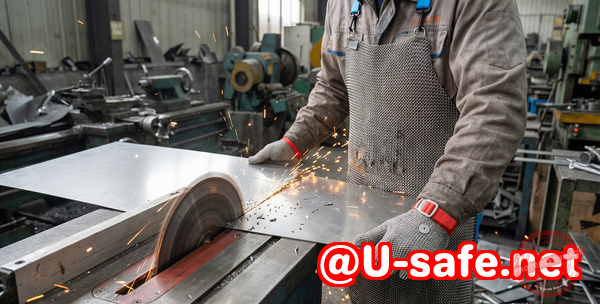
In this article, I’ll help you navigate the world of chainmail and explain how to evaluate the quality of a product before making a purchase. Whether you’re buying chainmail for cosplay, food processing, or safety gear, knowing how to assess key factorslike the type of metal, welding, and weavecan save you from choosing a low-quality or unsafe product.
Common Problems When Evaluating Chainmail
Buying chainmail can be tricky if you’re not familiar with the materials and craftsmanship involved. Many buyers are frustrated by the difficulty of distinguishing between high-quality and low-quality chainmail. Below are some of the most common problems people face:
-
Welded Rings vs. Open Rings
Many chainmail products claim to be of high quality but use open rings, which are far less durable than welded rings. Open rings are vulnerable to breaking under stress, whereas welded rings are much stronger and provide superior protection. This can be a major concern for anyone using chainmail for industrial or protective purposes.
-
Uncertainty About Stainless Steel Grades
Chainmail is often made from stainless steel, but not all grades of stainless steel are the same. Stainless steel comes in various grades, with 304 and 316 being the most common in chainmail production. While 304 is more affordable, it’s less resistant to corrosion than 316, which is often the better choice for industrial and outdoor environments.
-
Weak or Inconsistent Weaves
Weave patterns play a huge role in chainmail durability. A weak or inconsistent weave can reduce the strength and protective properties of the chainmail, especially if it’s used in harsh environments. Not all weaves are equal, and the type of weave used can dramatically impact the overall performance of the chainmail.
At Aegimesh, we offer a comprehensive guide and inspection tool to help you avoid these pitfalls. By following a simple, step-by-step process, you can easily evaluate chainmail quality and ensure that your purchase is safe, durable, and fit for its intended purpose.
How to Inspect Chainmail Quality
Let’s dive into the process of inspecting chainmail. Knowing what to look for can make a big difference in the longevity and safety of your chainmail purchase.
1. Check the Material: Stainless Steel Grades 304 vs. 316
The material used in the production of chainmail plays a critical role in its performance. When evaluating chainmail, it’s important to know whether the rings are made from 304 or 316 stainless steel.
-
304 Stainless Steel: This is a more affordable option, but it’s less resistant to corrosion, especially in moist or outdoor environments. While it’s still durable, it may not hold up as well in industrial settings or food-processing environments.
-
316 Stainless Steel: Known for its superior resistance to corrosion, 316 stainless steel is the best choice for industrial, marine, and food-related uses. If you’re buying chainmail for industrial applications or exposure to harsh conditions, I highly recommend opting for 316 stainless steel.
2. Inspect Ring Welding
The next step in inspecting chainmail quality is to check whether the rings are welded or open. This is an essential factor that affects both the durability and strength of the chainmail.
-
Welded Rings: High-quality chainmail uses welded rings, which are permanently joined together at the seam. This type of ring is far more durable and resistant to breaking than open rings.
-
Open Rings: Open rings are typically used in cheaper chainmail products. They are less secure and can break easily under stress, compromising the protective properties of the chainmail.
To verify whether the rings are welded, look for visible weld marks along the seam. If the seam looks smooth and seamless, then the ring is likely welded. A simple pull test can also help you determine the strength of the weldif the rings pull apart with little force, you know it’s not high-quality chainmail.
3. Evaluate the Wire Thickness and Inner Diameter
Another important factor to inspect is the wire thickness and the inner diameter of the rings.
-
Wire Thickness: Thicker wires make for stronger chainmail. The ideal wire thickness depends on your intended use. For industrial cut protection, thicker wires are necessary to prevent cuts from sharp objects. On the other hand, for decorative or cosplay uses, thinner wires may be sufficient.
-
Inner Diameter: The inner diameter of the rings affects how closely the rings fit together, which in turn impacts the strength of the chainmail. A good rule of thumb is that the inner diameter should be around 1.5 times the wire thickness. This ensures the rings fit snugly and form a strong, resilient weave.
4. Inspect the Weave Pattern
Weave patterns are another critical element when assessing the quality of chainmail. The most common weave pattern used for strength and durability is the European 4-in-1 weave. In this pattern, each ring is connected to four others, creating a tight, flexible weave that provides excellent protection.
When inspecting the weave, check for uniformity and consistency. If you notice gaps between the rings or an irregular pattern, the chainmail may not provide adequate protection or durability.
Why Proper Inspection Matters
Properly inspecting chainmail isn’t just about making sure you’re getting your money’s worth. It’s about ensuring the chainmail is safe, durable, and fit for its intended purpose.
Here are some reasons why inspection is so important:
-
Safety: If you’re buying chainmail for industrial, medical, or food-related purposes, it’s essential that the product be durable and safe. Low-quality chainmail can fail when exposed to the elements or during heavy use, resulting in injuries or product contamination.
-
Durability: High-quality chainmail will last longer, saving you money in the long run. By identifying low-quality products before purchase, you avoid wasting money on something that may break or wear down quickly.
-
Purpose-Specific Protection: Different uses require different types of chainmail. For example, industrial cut-resistant chainmail needs to be thicker and stronger than chainmail used for decorative purposes. Knowing how to inspect chainmail ensures that you get the right product for your needs.
Conclusion
Chainmail is a versatile material used in many applications, from industrial safety to cosplay. However, not all chainmail is made equal. By following the steps outlined aboveinspecting the material, welds, wire thickness, inner diameter, and weave patternyou can confidently choose high-quality, durable chainmail for your needs.
I highly recommend following these inspection methods to ensure any chainmail you purchase meets safety and durability standards. If you want to learn more about identifying high-quality chainmail, I encourage you to check out our detailed inspection guide at Aegimesh.
Learn more about identifying high-quality chainmail products here.
FAQs
1. How can I tell if a chainmail ring is welded or open?
Welded rings have a visible seam where the ends are fused together, while open rings will appear as if the ends are not connected. A simple pull test can also reveal the strength of the weld.
2. Which stainless steel grade is best for long-lasting chainmail?
For the longest-lasting chainmail, opt for 316 stainless steel. It has superior corrosion resistance, making it ideal for industrial, food-handling, and outdoor environments.
3. How do I inspect the weave pattern for strength?
Check for uniformity in the weave. A consistent European 4-in-1 pattern provides excellent strength and flexibility. Gaps or irregularities in the pattern could indicate poor craftsmanship.
4. What are the signs of low-quality or unsafe chainmail?
Signs of low-quality chainmail include open rings, thin wire, inconsistent weaving, and poor welds. These can result in reduced protection and durability.
5. Can decorative chainmail be used for protective purposes?
Decorative chainmail is generally not designed for protection. For safety or industrial use, look for chainmail made with welded rings, thicker wire, and a strong weave pattern.
6. How do I choose the right chainmail for industrial vs. cosplay use?
For industrial use, opt for thicker, welded rings made of 316 stainless steel and a tight weave pattern for maximum protection. For cosplay, decorative chainmail with thinner wire and lighter weaves may be sufficient.
Tags/Keywords
chainmail quality, welded rings, stainless steel chainmail, cut-resistant chainmail, chainmail inspection, European 4-in-1 weave, chainmail durability





 한국어
한국어  Русский
  Deutsch