


Chainmail Arm Guards for Wet Processing Environments
Chainmail Arm Guards for Wet Processing Environments
When it comes to selecting the right chainmail products, especially for industrial use like wet processing environments, it’s easy to feel overwhelmed. You might have encountered a scenario like this: you’ve searched online for chainmail arm guards, and you’re presented with an array of options. But how do you tell the difference between high-quality, durable chainmail and the cheap, poorly crafted alternatives that could jeopardize your safety?
For professionals working in industries like food processing or cut-resistant protection, these questions aren’t just concernsthey’re vital for maintaining safety standards and ensuring that your equipment lasts. That’s why in this article, I’m going to walk you through how to identify genuine, high-quality chainmail arm guards and avoid falling victim to low-quality or unsafe purchases.
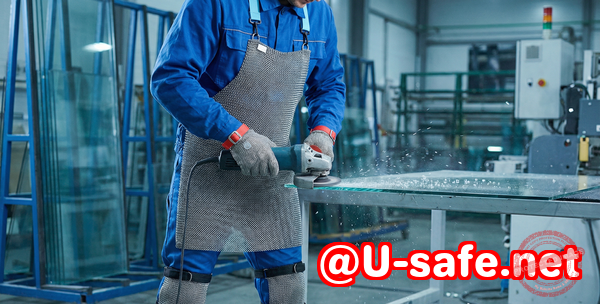
Pain Points in Choosing Chainmail for Wet Processing Environments
Before diving into the steps you can take to inspect and evaluate chainmail products, let’s first talk about some of the common challenges buyers face:
1. Welded Rings vs. Open Rings
One of the most common problems buyers face is distinguishing between welded rings and open rings in chainmail. Open rings are less durable and can break or come apart more easily. Unfortunately, many low-quality chainmail products still use open rings, which are cheaper to produce but much less reliable for protection.
2. Choosing the Right Stainless Steel Grade
You might have heard of 304 or 316 stainless steel in the context of chainmail, but how do you know which one is right for your needs? Stainless steel grade affects durability, corrosion resistance, and ultimately, the longevity of your chainmail. It’s crucial to choose the right type to ensure it withstands the conditions of wet processing environments.
3. Weak or Inconsistent Weaves
Another issue with low-quality chainmail is the inconsistency in the weave pattern. A well-crafted chainmail weave, like the European 4-in-1 pattern, is key to ensuring that the arm guards provide the level of protection you need. Poorly done weaves can result in gaps and weak points, reducing the effectiveness of the chainmail.
How to Inspect Chainmail Arm Guards
Now that we’ve highlighted some of the pain points, let’s explore how to avoid them and ensure you purchase high-quality chainmail that’s up to the task.
1. Check the Material Type (304 vs. 316 Stainless Steel)
When you’re purchasing chainmail for wet processing environments, you’ll want to ensure the product is made from corrosion-resistant stainless steel. The two most common grades are 304 and 316 stainless steel.
-
304 Stainless Steel: This is a general-purpose steel that resists rust and corrosion in most conditions. It’s a good choice for dry environments or light contact.
-
316 Stainless Steel: This grade offers superior corrosion resistance, especially against harsh chemicals or wet environments. For applications like food processing or other wet environments, 316 stainless steel is usually the better option.
Tip: Check the product specifications or ask the seller which grade of stainless steel is used. If the product doesn’t specify, it’s probably a sign that it’s not high-quality.
2. Inspect Ring Welding, Wire Thickness, and Inner Diameter
High-quality chainmail should be built with welded rings, which are stronger and more durable than open rings. When inspecting the rings, look for:
-
Welded Rings: These should look seamless and strong. You can perform a simple tug test by pulling on a few rings to check for integrity.
-
Wire Thickness: Thicker wire contributes to a stronger weave. If the wire feels thin or flimsy, it’s likely a lower-quality product that might not provide the protection you need.
-
Inner Diameter of the Rings: A proper ring diameter ensures the chainmail weave is tight and functional. If the rings are too large or too small, the weave may be weak and ineffective.
3. Evaluate the Weave Pattern
The pattern in which the rings are woven is essential for determining the strength of the chainmail. For industrial use, particularly in wet processing environments, European 4-in-1 weave is ideal because it offers a balanced mix of flexibility and strength. Here’s what to look for:
-
Tightness of the Weave: The rings should be closely packed together to provide maximum protection. Loose weaves will make the chainmail ineffective against cuts or abrasions.
-
Consistency: The weave should be uniform throughout the entire garment. Inconsistent weaves may signify poor craftsmanship or low-quality materials.
4. Perform a Pull Test
One simple yet effective way to assess the durability of chainmail is by performing a pull test. Grab a small section of the chainmail and give it a gentle tug. High-quality chainmail should feel strong and resistant to the pull. If the rings start to loosen or separate under pressure, it’s a sign of poor craftsmanship.
5. Signs of Corrosion or Poor Craftsmanship
Even stainless steel can corrode over time, especially if exposed to wet environments. Here’s what to check:
-
Rust: Any signs of rust on the chainmail indicate poor corrosion resistance or improper care during manufacturing. This is especially problematic in wet processing environments.
-
Burrs or Rough Edges: Check the edges of the rings for burrs or sharp spots. These could cause discomfort or even injury when wearing the chainmail.
6. Determine the Right Chainmail for Your Use Case
It’s important to understand the intended use of your chainmail. Are you using it for cut-resistant protection in a wet processing setting, or is it for cosplay or decorative purposes? Here’s how to choose:
-
Industrial Use (Wet Processing): Go for 316 stainless steel with a tight European 4-in-1 weave. This will ensure durability, flexibility, and resistance to corrosion in challenging environments.
-
Cosplay or Decorative: For non-industrial use, 304 stainless steel or decorative weaves may be acceptable. However, keep in mind that these might not offer the same level of protection.
Why Inspection Matters
Taking the time to inspect your chainmail may seem like an extra step, but it’s essential for several reasons:
-
Safety: Poor-quality chainmail can break or become ineffective, leaving you vulnerable to cuts or abrasions.
-
Durability: High-quality chainmail will last longer and withstand the rigors of industrial or food-processing environments.
-
Cost-Efficiency: Investing in quality chainmail up front can save you money in the long run, as it reduces the need for frequent replacements.
Conclusion: Get the Protection You Deserve
When purchasing chainmail, especially for something as critical as wet processing environments, it’s essential to ensure that the product meets safety and durability standards. By following the inspection methods outlined above, you’ll be able to make an informed decision and avoid low-quality or unsafe purchases.
I highly recommend following these steps to ensure any chainmail purchase meets safety and durability standards. Learn more about identifying high-quality chainmail products at Aegimesh. Check out our detailed chainmail inspection guide today!
FAQ
How can I tell if a chainmail ring is welded or open?
Welded rings have a smooth, seamless joint, while open rings have a visible gap where the ends meet. You can also perform a tug testwelded rings will be much sturdier.
Which stainless steel grade is best for long-lasting chainmail?
For wet processing environments, 316 stainless steel is the best option due to its superior corrosion resistance. It performs better in harsh, wet conditions than 304 stainless steel.
How do I inspect the weave pattern for strength?
Look for a uniform, tight European 4-in-1 weave. If the rings are loose or inconsistent, the chainmail may not provide the level of protection you need.
What are the signs of low-quality or unsafe chainmail?
Signs include rust, open rings, inconsistent weaves, thin wire, and visible signs of poor craftsmanship such as burrs or rough edges.
Can decorative chainmail be used for protective purposes?
While decorative chainmail may look nice, it’s often not designed to withstand heavy use or provide protection. For industrial or food processing, opt for functional, high-quality chainmail like that made with 316 stainless steel.
How do I choose the right chainmail for industrial vs cosplay use?
For industrial use, prioritize durability, corrosion resistance, and a strong weave. For cosplay, a more decorative and lightweight chainmail may be acceptable, but it won’t offer the same protection.
Tags or Keywords
-
chainmail quality
-
welded rings
-
stainless steel chainmail
-
cut-resistant chainmail
-
chainmail inspection
-
European 4-in-1 weave
-
chainmail durability






 한국어
한국어  Русский
  Deutsch