


The Difference Between EN 1082 and Other Chainmail Standards
The Difference Between EN 1082 and Other Chainmail Standards
When it comes to purchasing chainmailwhether for industrial safety, cosplay, or decorative purposesit’s easy to feel overwhelmed by the vast number of options available. Buyers often struggle with the same question: How do I know if I’m getting the right kind of chainmail, and is it really safe or durable enough for my needs? This concern is especially prominent when dealing with industrial safety chainmail or protective gear used in food processing.
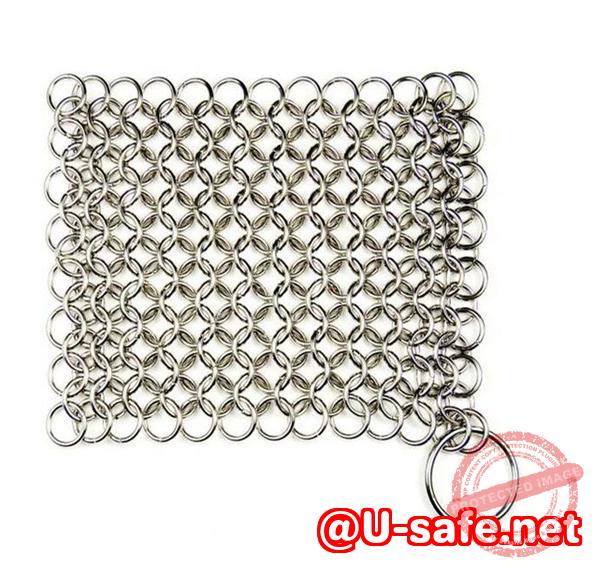
As someone who has spent a lot of time researching and evaluating chainmail products, I know firsthand how difficult it can be to distinguish between high-quality and low-quality chainmail. That’s where standards like EN 1082 come into play, helping buyers ensure they’re investing in the best possible protection for themselves and their employees. In this post, we’ll dive into the differences between EN 1082 and other common chainmail standards, and we’ll guide you on how to properly assess the quality of chainmail before making a purchase.
The Pain of Purchasing Low-Quality Chainmail
Let me set the scene. A buyer is looking for chainmail to use as protective gear for workers in a food processing facility. They’ve been told that chainmail can offer great protection against cuts and abrasions. They decide to go online and pick up a set of chainmail gloves. A few weeks later, one of their employees cuts themselves while handling sharp objectsturns out, the gloves weren’t up to standard, and the chainmail wasn’t even welded properly.
I’ve heard countless stories like this from buyers and industrial users alike, and it’s frustrating to see so many people struggle to identify high-quality chainmail. Many are surprised to learn that not all chainmail is made equal. A chainmail set that looks good on the surface might not provide the protection you need, or it could wear out quickly due to subpar materials or craftsmanship.
To make sure you’re getting the right product, understanding the standards behind chainmail is crucial. Let’s break down EN 1082, one of the most commonly recognized chainmail standards, and how it compares to others.
What is EN 1082, and Why Does it Matter?
EN 1082 is a European standard that specifies the requirements for chainmail used in cut-resistant protective clothing. It’s crucial for anyone purchasing chainmail for industrial use, as this standard ensures the chainmail meets specific safety benchmarks. It focuses on aspects such as the type of materials used (typically stainless steel), the way the rings are welded, and the strength of the weave patterns.
Key Elements of EN 1082 Standards:
-
Material Quality: The standard requires that the chainmail be made from specific grades of stainless steel (usually 304 or 316), known for their corrosion resistance and durability.
-
Ring Welding: Welded rings are preferred over open rings in this standard because they provide greater strength and prevent the rings from coming undone under stress.
-
Weave Pattern: The standard outlines specific weaves, such as the European 4-in-1 weave, which is widely regarded for its strength and cut resistance.
-
Strength and Durability: EN 1082 tests the chainmail to ensure it can withstand significant force and stress without compromising its protective properties.
Now, it’s important to note that EN 1082 is just one of many chainmail standards. Let’s take a look at how it compares to others:
Comparing EN 1082 to Other Chainmail Standards
While EN 1082 is a trusted standard for industrial applications, there are other chainmail standards that cater to different needs, such as decorative or historical uses. These standards may not necessarily focus on the same rigorous safety criteria as EN 1082. Here’s how it stacks up against some alternatives:
-
ASTM F1790 (U.S. Standard for Cut Protection): This standard is more commonly used in the U.S. and focuses specifically on cut resistance. While it’s very similar to EN 1082, the testing methods may differ. ASTM F1790 requires chainmail to be tested under a cut test using a specific weight and method to measure the level of protection.
-
Food Safety Standards: In industries like food processing, chainmail must meet specific food-grade safety standards. These often require that the chainmail be free from contaminants and made from materials that don’t affect the food. These standards are more focused on hygiene and ease of cleaning than on strength and durability.
-
Cosplay Standards: When it comes to cosplay or historical reenactments, chainmail standards are often less stringent. In these cases, the aesthetic quality of the chainmail (such as color and historical accuracy) is prioritized over performance. While these may be great for display or costume purposes, they may not offer the same level of cut resistance or durability required for industrial use.
How to Inspect Chainmail for Quality
So, how can you tell if the chainmail you’re looking at meets EN 1082 or any other high-quality standard? It all comes down to a few key inspection methods:
1. Check the Material
Look for chainmail made from stainless steeleither 304 or 316 grade. These are the best choices for corrosion resistance, especially if you’ll be using the chainmail in environments like food processing or medical settings. Avoid low-quality steel or other metals that might corrode over time.
2. Examine the Ring Welding
Inspect the rings closely to determine if they are welded. Welded rings provide much better strength and stability compared to open rings, which can easily break apart under stress. If the rings are not welded, the chainmail may not provide the level of protection you need.
3. Evaluate the Weave
The weave pattern is essential for durability and cut resistance. The European 4-in-1 weave is a reliable choice for most protective chainmail. Each ring should pass through four other rings, creating a dense, interlocking structure. If the weave feels loose or inconsistent, it’s a sign that the chainmail may not perform well in high-stress situations.
4. Test for Flexibility and Strength
Perform a simple pull test by gently pulling on the rings or pulling on the chainmail itself. A high-quality product should feel strong but flexible. If the rings start to separate or bend too easily, it may be a sign of poor craftsmanship.
5. Look for Corrosion or Damage
Inspect the chainmail for any signs of rust or other damage, especially if you’re purchasing stainless steel chainmail. Corrosion can drastically reduce the protective quality of the material.
Why Choosing the Right Chainmail Matters
By following these inspection methods, you can make sure that your chainmail meets the necessary safety standards. Whether you’re using it for industrial cut protection, food processing, cosplay, or historical reenactments, choosing the right product can make a huge difference. High-quality chainmail ensures safety, durability, and long-lasting value.
When I look back at all the poor purchases I’ve made in the past, I can confidently say that paying attention to quality standards has saved me time, money, and, most importantly, peace of mind.
Conclusion: Make Informed Decisions
In summary, EN 1082 is a crucial standard for anyone seeking chainmail for industrial or safety applications. But regardless of the standard you follow, always take the time to inspect the chainmail you’re purchasing. By checking the material, welds, weave, and overall craftsmanship, you can ensure you’re getting a product that meets your needs and protects you from potential harm.
I highly recommend following these steps to ensure any chainmail purchase meets safety and durability standards. Learn more about identifying high-quality chainmail products: Aegimesh Chainmail. Check out our detailed chainmail inspection guide today!
FAQ
-
How can I tell if a chainmail ring is welded or open?
Look closely at the edges of the rings. Welded rings will have a noticeable joint where the ring was fused together, while open rings will have a visible gap.
-
Which stainless steel grade is best for long-lasting chainmail?
304 and 316 stainless steel are the best choices. 316 is particularly resistant to corrosion and is ideal for harsh environments. -
How do I inspect the weave pattern for strength?
A tight, consistent weavelike the European 4-in-1is the most durable. Ensure that each ring passes through four other rings for maximum strength.
-
What are the signs of low-quality or unsafe chainmail?
Weak welds, inconsistent weave patterns, rust, or a flimsy feel are all signs of poor-quality chainmail.
-
Can decorative chainmail be used for protective purposes?
While decorative chainmail looks great, it often doesn’t meet the safety standards necessary for protective gear, so avoid using it for industrial or food processing tasks.
-
How do I choose the right chainmail for industrial vs. cosplay use?
For industrial use, focus on strength, durability, and meeting safety standards like EN 1082. For cosplay, aesthetics and historical accuracy may be more important, though you can still find durable options.
Tags:
chainmail quality, welded rings, stainless steel chainmail, cut-resistant chainmail, chainmail inspection, European 4-in-1 weave, chainmail durability





 한국어
한국어  Русский
  Deutsch