


A Comprehensive Guide to EN 1082 for Chainmail Users
A Comprehensive Guide to EN 1082 for Chainmail Users
When it comes to buying chainmailwhether for personal use, cosplay, or industrial applicationsmany buyers often face the same problem: how can I tell if the product is truly high-quality? Chainmail isn’t just a fun costume accessory; it plays a critical role in various industries, from food processing to industrial safety. But with so many products available, it’s easy to get lost in a sea of options that may look the part but fall short in terms of quality and durability. That’s why understanding how to evaluate chainmail is essential for making an informed purchase.
In this comprehensive guide, I’ll walk you through the ins and outs of evaluating chainmail quality. From welded rings to stainless steel grades, I’ll share practical tips that will help you make sure you’re investing in safe, durable, and high-performing chainmail for any use.
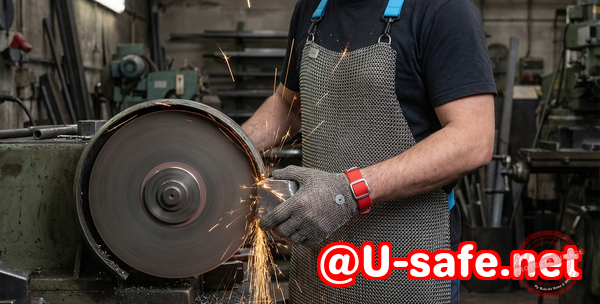
How to Evaluate Chainmail Quality: A Step-by-Step Guide
1. The Importance of Material: 304 vs. 316 Stainless Steel
The first thing I always check when evaluating chainmail is the material it’s made of. There are two primary types of stainless steel used in chainmail construction: 304 and 316.
-
304 Stainless Steel: This is the most common grade and often used in decorative or lighter-duty applications. While it’s resistant to rust and corrosion to some extent, it may not perform as well in extreme environments or for high-strength needs.
-
316 Stainless Steel: This is the more premium option, typically used for industrial-grade chainmail. It’s more resistant to corrosion, making it perfect for use in harsher environments such as food processing or high-humidity industrial settings.
Tip: Always ask the seller what type of stainless steel is used in the chainmail, especially if you’re using it for industrial or safety purposes. 316 stainless steel is often the better choice for durability and longevity.
2. Welded Rings vs. Open Rings
A common mistake I see is confusion between welded rings and open rings. While both can be used to make chainmail, they have very different durability profiles.
-
Welded Rings: These are rings that have been welded shut, ensuring they stay securely in place. This makes welded rings significantly stronger and more durable, which is especially important for protective chainmail.
-
Open Rings: As the name suggests, these rings are not welded and can easily come undone with stress. While open rings might be fine for decorative or light cosplay chainmail, they’re not recommended for protective use.
Tip: To check if the rings are welded, simply give the ring a gentle tug. If it separates or feels loose, it’s likely an open ring. A welded ring will remain firmly intact.
3. Inspecting the Ring Thickness and Diameter
The thickness of the wire and the diameter of the rings are critical factors in determining the strength and functionality of the chainmail. Thicker wire and smaller ring diameters generally provide more protection and durability.
-
Wire Thickness: The thicker the wire, the stronger the chainmail. For protective uses, such as cut-resistant chainmail, you want to ensure that the wire is thick enough to offer real protection.
-
Ring Diameter: The diameter of the individual rings impacts the flexibility and strength of the weave. Larger rings may look impressive but can reduce the chainmail’s overall strength, especially when used in protective gear.
Tip: Use a caliper to measure the wire thickness and ring diameter. For safety-critical applications, like food processing or industrial settings, make sure the rings are both thick and small enough to offer reliable protection.
4. Understanding the Weave Pattern: European 4-in-1 for Strength
The weave pattern of the chainmail plays a crucial role in its strength and durability. One of the most common and strongest patterns is the European 4-in-1 weave, where each ring is connected to four others. This structure creates a tight, interwoven design that can absorb impact and resist penetration.
Tip: Inspect the chainmail to ensure that it follows a consistent pattern. Irregular weaves could indicate poor craftsmanship and lead to weak spots in the armor. The European 4-in-1 weave is highly recommended for its strength and reliability.
5. Pull Tests and Strength Verification
When inspecting chainmail, it’s always a good idea to perform a simple pull test. This involves gently pulling on the rings to see if they hold up under tension. While a bit of flexibility is normal, the rings should not pull apart or bend easily. This is particularly important if you plan to use the chainmail for protective purposes, as weak rings can compromise the integrity of the entire piece.
Tip: Pull a few rings in different sections of the chainmail to see if there are any weak spots. If the rings break or bend with minimal force, it’s a red flag for poor quality.
6. Corrosion Resistance and Signs of Damage
Another important consideration is how well the chainmail resists corrosion. For industrial or food-handling uses, this is especially critical. Look for any signs of rust, pitting, or staining, particularly around the rings or joints.
-
Corrosion Signs: If you notice rust or discoloration, it could indicate that the material is low-quality or improperly treated. This could lead to failure in high-moisture environments like kitchens, manufacturing plants, or outdoor use.
Tip: Even small signs of corrosion should not be overlooked. These could be an early warning sign that the chainmail won’t last as long as you need it to, especially in environments where cleanliness and durability are critical.
The Importance of Quality for Specific Use Cases
Industrial and Food Processing
For industrial or food-processing use, chainmail serves as protective clothing or gloves to prevent cuts and injuries. The material must be durable and resistant to corrosion. Opt for chainmail with 316 stainless steel and welded rings, and ensure that the weave pattern is tight and secure. You don’t want to risk your safety or food contamination with low-quality chainmail.
Cosplay and Historical Replicas
If you’re using chainmail for cosplay or as part of a historical replica, while quality is still important, the focus is more on appearance and flexibility. Lighter, more decorative chainmail with 304 stainless steel and open rings might be sufficient here. However, be mindful that the quality of the rings and weave still impacts how realistic the chainmail looks.
Collectors
For collectors, chainmail can be both a decorative piece and a valuable artifact. Pay attention to the authenticity of the weave and material. A true historical piece will likely have certain characteristics like specific ring diameters and wire thickness that make it stand out from modern mass-produced alternatives.
Conclusion: How to Make an Informed Chainmail Purchase
In my experience, buying high-quality chainmail comes down to knowing what to look for. Whether you’re using it for industrial purposes, cosplay, or as a collectible, the right chainmail will offer the strength, durability, and reliability you need. By following the steps I’ve outlinedinspecting the material, welds, wire thickness, ring diameter, and weave patternyou’ll be able to easily differentiate between low-quality chainmail and high-performing gear.
I highly recommend following these steps to ensure any chainmail purchase meets safety and durability standards. Learn more about identifying high-quality chainmail products here, and check out our detailed chainmail inspection guide today!
Frequently Asked Questions (FAQ)
-
How can I tell if a chainmail ring is welded or open?
-
A welded ring will stay intact when pulled, while an open ring will separate with minimal force.
-
-
Which stainless steel grade is best for long-lasting chainmail?
-
For industrial or high-corrosion environments, 316 stainless steel is the best choice due to its superior corrosion resistance.
-
-
How do I inspect the weave pattern for strength?
-
Look for the European 4-in-1 pattern, where each ring connects to four others. Ensure the pattern is uniform and tight.
-
-
What are the signs of low-quality or unsafe chainmail?
-
Signs include weak or open rings, poor welding, visible rust or corrosion, and irregular weave patterns.
-
-
Can decorative chainmail be used for protective purposes?
-
Decorative chainmail with open rings and thinner wire may not provide sufficient protection for industrial or safety uses.
-
-
How do I choose the right chainmail for industrial vs cosplay use?
-
For industrial use, opt for 316 stainless steel, welded rings, and a strong weave. For cosplay, 304 stainless steel with open rings might suffice, but still ensure the weave looks authentic.
-
Tags or Keywords:
-
chainmail quality
-
welded rings
-
stainless steel chainmail
-
cut-resistant chainmail
-
chainmail inspection
-
European 4-in-1 weave
-
chainmail durability





 한국어
한국어  Русский
  Deutsch