


EN 1082 and Its Role in Protecting Workers in the Mining Industry
EN 1082 and Its Role in Protecting Workers in the Mining Industry
When it comes to worker safety in hazardous environments like mining, choosing the right protective gear can be life-changing. One of the most reliable forms of protection is chainmail, often seen as a shield against cuts and abrasions. However, the real challenge comes when it’s time to pick the right chainmail product. As buyers, collectors, or industrial users, we’ve all been there: standing in front of a chainmail display, unsure whether the product in front of us will actually provide the level of protection we need.
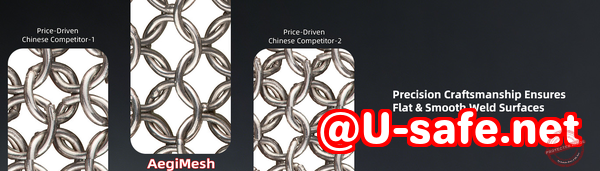
I’ve often heard questions like, “How do I know if this chainmail is high-quality?” or “Is it durable enough for industrial use?” These are crucial concerns, especially when your safety or the safety of your team depends on it. Today, we’ll take a deep dive into understanding the quality and effectiveness of chainmail, particularly focusing on the EN 1082 standard, and how you can ensure that your next purchase meets safety and durability standards.
Understanding EN 1082: What Does It Mean for Mining Safety?
EN 1082 is a European standard that provides specifications for protective clothing, particularly focusing on chainmail worn in environments that pose a risk of cutting. This standard outlines the key attributes chainmail must have to provide adequate protection against sharp objects, especially for those working in high-risk industries like mining.
In mining, workers often face dangerous conditions, including sharp rocks, jagged metal, and industrial equipment that can cause severe cuts. A high-quality chainmail product that adheres to the EN 1082 standard can prevent these injuries by effectively dispersing the force of a cutting tool, providing a physical barrier that absorbs impacts and prevents penetration.
Common Pain Points: How to Identify Safe, Durable Chainmail
When it comes to chainmail for industrial purposes, there are several common pitfalls that buyers face. Let’s explore some of the most significant challenges:
-
Welded vs. Open Rings: What’s the Difference?
One of the first things you’ll notice when inspecting chainmail is whether the rings are welded or open. While open rings might look appealing due to their lower cost, they are much less durable and are prone to coming apart under stress. In an industrial setting like mining, open rings simply aren’t up to the jobthey can fail when exposed to the forces of sharp objects or heavy machinery.
Tip: Always opt for chainmail with welded rings, as they are far more durable and offer better protection.
-
Choosing the Right Stainless Steel: 304 vs. 316
Not all stainless steel is created equal. The grade of stainless steel used in the chainmail directly impacts its strength, resistance to corrosion, and overall longevity. The two most common types are 304 and 316 stainless steel. While 304 is often used in decorative chainmail, 316 is the superior choice for industrial purposes due to its resistance to corrosion, especially in environments with exposure to water or harsh chemicals.
Tip: For mining and industrial use, always go with 316 stainless steel chainmail. It offers better protection against corrosion and a longer lifespan.
-
Weak or Inconsistent Weaves
The weave pattern is another essential factor in determining chainmail quality. Inconsistent or weak weaves, such as poorly aligned rings or irregular spacing, can compromise the strength of the chainmail, making it ineffective for protecting against cuts.
Tip: Look for chainmail that uses strong weave patterns like European 4-in-1, which is known for its durability and effectiveness in industrial applications.
How to Inspect Chainmail for Quality
At Aegimesh, we’ve created a comprehensive guide to help buyers inspect chainmail and ensure it meets the necessary safety standards. Here’s a step-by-step process to evaluate the quality of chainmail:
1. Material Inspection
The first step in evaluating any chainmail product is to check the material. As mentioned earlier, chainmail made from 316 stainless steel is your best bet for industrial use. Check the manufacturer’s description and ensure that the product uses this material.
2. Inspect the Rings: Welded or Open?
Use your fingers or a tool to gently pull apart a ring. If it’s welded, it should stay intact under pressure. If it’s open, it will be much easier to pull apart. Welded rings are a sign of high-quality, durable chainmail that’s fit for industrial use.
3. Check Wire Thickness and Ring Diameter
Thicker wire and larger ring diameters typically indicate stronger chainmail. For industrial applications like mining, look for wire thickness that can withstand heavy use and sharp objects. Smaller ring diameters, on the other hand, are often more suitable for decorative or lightweight applications, like cosplay.
4. Evaluate the Weave Pattern
One of the key indicators of quality chainmail is the weave pattern. European 4-in-1 is a popular weave for industrial applications because of its strength and durability. If the weave pattern appears irregular or inconsistent, it may not be strong enough for industrial protection.
Tip: Run your fingers along the chainmail to feel for any irregularities in the rings or spacing. A smooth, even weave is a good sign that the product is of high quality.
5. Perform a Pull Test
A simple pull test can help you gauge the strength of the chainmail. Grab a section of the chainmail and gently pull on it. If the rings hold tight and do not separate, the chainmail is likely well-constructed. If any rings come loose, that’s a sign of poor craftsmanship.
6. Look for Signs of Corrosion or Poor Craftsmanship
Inspect the surface of the chainmail for any signs of rust or corrosion. Even minor signs of wear can indicate that the product will not stand up to industrial environments. Also, check the overall craftsmanship, as sloppy work can result in weak points in the chainmail.
How to Choose the Right Chainmail for Your Needs
Choosing the right chainmail depends on the specific use case. Here’s a breakdown of how to select the best chainmail for your needs:
-
Industrial Cut Protection: Look for chainmail made from 316 stainless steel with welded rings and a European 4-in-1 weave. This combination offers the best protection against sharp objects commonly found in mining and other industrial settings.
-
Food Processing: In food processing environments, hygiene is just as important as durability. Stainless steel is the best material for preventing bacterial growth, and welded rings provide the necessary durability to protect workers without compromising food safety.
-
Cosplay and Historical Replicas: For decorative purposes, you can use chainmail made from 304 stainless steel. While it may not offer the same level of protection as 316, it’s sufficient for costumes and historical reenactments.
-
Collectibles: When buying chainmail for display, focus on the aesthetic appeal and weave pattern. Look for accurate historical replicas with attention to detail, even if they aren’t functional for protection.
Conclusion: Ensuring Safe, Durable Chainmail Purchases
When buying chainmail, it’s essential to inspect the product carefully to ensure that it meets your needs for safety, durability, and quality. By following the inspection methods outlined above, you can make an informed decision and avoid wasting money on subpar or unsafe products.
I highly recommend following these steps to ensure any chainmail purchase meets safety and durability standards. Whether you’re buying for industrial use, cosplay, or collectibles, understanding the key factors like material, welds, wire thickness, and weave patterns will make all the difference.
Learn more about identifying high-quality chainmail products here. Check out our detailed chainmail inspection guide today!
Frequently Asked Questions
-
How can I tell if a chainmail ring is welded or open?
Gently pull on a ring. If it’s welded, it should stay intact under pressure; open rings will separate easily.
-
Which stainless steel grade is best for long-lasting chainmail?
316 stainless steel is the best choice for industrial use, offering superior corrosion resistance and durability.
-
How do I inspect the weave pattern for strength?
Look for consistent, even rings and uniform spacing. The European 4-in-1 weave is particularly strong for industrial use.
-
What are the signs of low-quality or unsafe chainmail?
Signs of poor-quality chainmail include loose or open rings, inconsistent weaving, thin wire, and corrosion.
-
Can decorative chainmail be used for protective purposes?
While decorative chainmail can look impressive, it’s generally not suitable for industrial protection. Always opt for welded rings and 316 stainless steel for safety.
-
How do I choose the right chainmail for industrial vs. cosplay use?
For industrial use, prioritize durability with welded rings and 316 stainless steel. For cosplay, you can choose lighter, more decorative chainmail made from 304 stainless steel.
Tags: chainmail quality, welded rings, stainless steel chainmail, cut-resistant chainmail, chainmail inspection, European 4-in-1 weave, chainmail durability





 한국어
한국어  Русский
  Deutsch